Biophilic Landscape Design: Creating Healthier and More Connected Outdoor Spaces
Modern landscapes are no longer designed only to look attractive. Today, successful outdoor environments are expected to improve wellbeing, support sustainability, and create a stronger connection between people and nature.
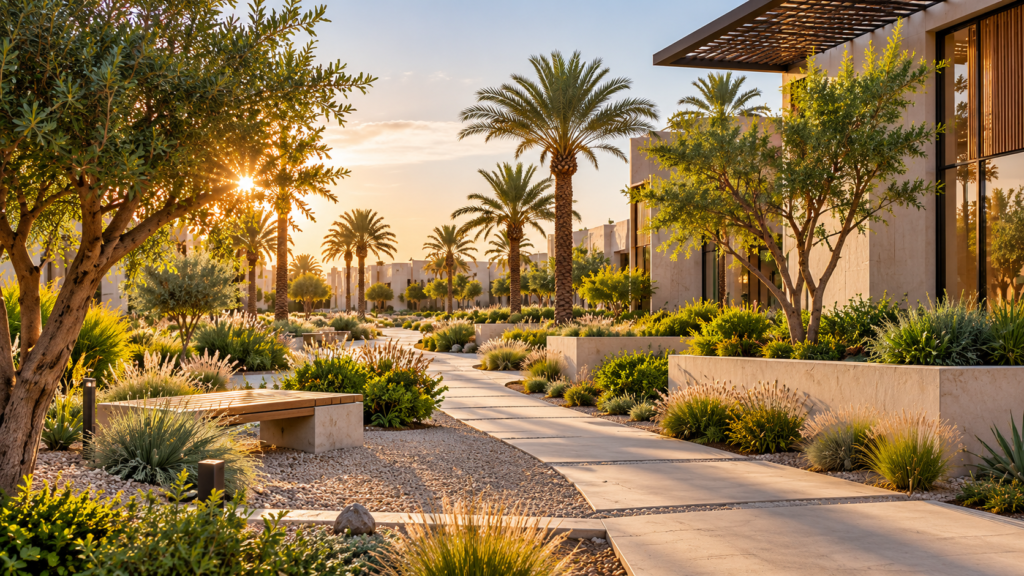
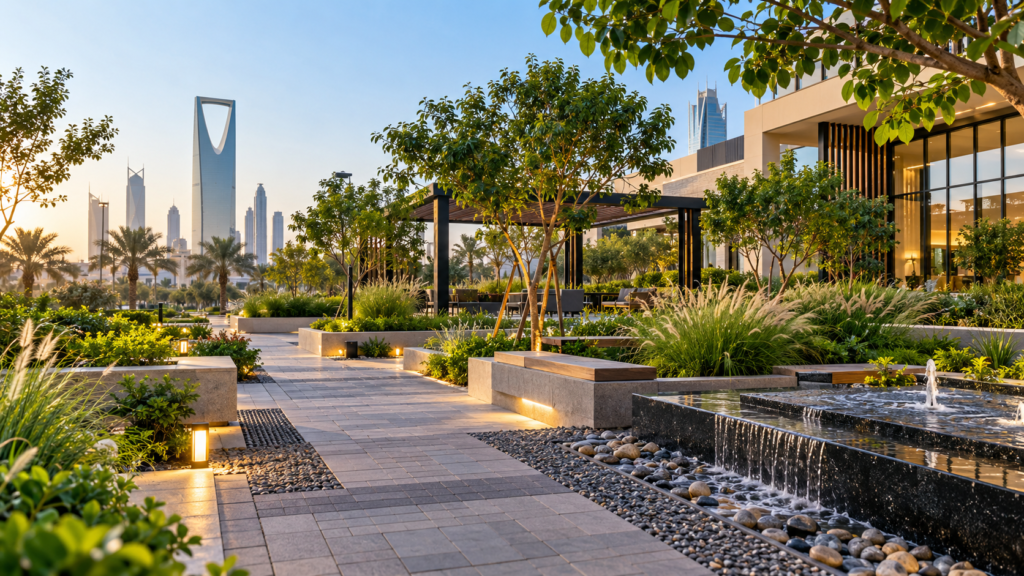
Biophilic landscape design brings natural elements, patterns, materials, vegetation, and sensory experiences into outdoor spaces to create environments that feel healthier, more comfortable, and more connected to the surrounding ecosystem.
At Ayana Innovation Green Solutions, we believe that thoughtful landscape design can transform ordinary outdoor areas into meaningful environments that support both people and nature.
What Is Biophilic Landscape Design?
Biophilic design is an approach that incorporates elements of nature into the built environment.
In landscaping, this can include:
- Native and adaptive plants
- Natural stone and wood
- Water features
- Shaded outdoor areas
- Green walls and vertical gardens
- Organic shapes and natural patterns
- Biodiversity-friendly planting
- Natural lighting and ventilation
- Spaces that encourage interaction with nature
The goal is not simply to add more plants. Instead, biophilic landscaping focuses on creating a balanced relationship between architecture, people, and the natural environment.
Why Biophilic Landscapes Matter
People spend a significant amount of their daily lives in buildings and developed environments. Well-designed outdoor spaces can provide an important connection to nature.
A biophilic landscape can help create:
1. More Comfortable Outdoor Spaces
Strategically positioned trees, shrubs, pergolas, and shaded areas can make outdoor spaces more comfortable, particularly in hot climates.
Thoughtful planting design can also create cooler microclimates and improve the overall experience of outdoor areas.
2. Better Connection With Nature
Natural textures, plants, water, and biodiversity can make a landscape feel more alive.
Instead of creating spaces that are visually disconnected from their surroundings, biophilic design integrates natural elements into the overall environment.
3. Improved Biodiversity
Selecting appropriate plant species can help support birds, insects, pollinators, and other forms of local biodiversity.
A landscape can therefore become more than a decorative feature—it can become part of a larger ecological system.
4. Sustainable Landscape Performance
Biophilic design can work alongside sustainable landscaping strategies such as:
- Efficient irrigation
- Water conservation
- Native planting
- Soil improvement
- Rainwater management
- Reduced maintenance requirements
- Responsible material selection
This makes the landscape both visually appealing and environmentally responsible.
Biophilic Design in Saudi Arabian Landscapes
Designing sustainable landscapes in Saudi Arabia requires careful consideration of the local climate.
High temperatures, water scarcity, intense sunlight, and soil conditions can all influence plant selection and landscape performance.
For this reason, biophilic landscaping in the region should not simply copy landscape styles from cooler climates.
Instead, designers can combine natural design principles with climate-responsive landscaping.
This may include drought-tolerant plants, efficient irrigation systems, shaded seating areas, locally appropriate materials, and planting strategies designed around the specific conditions of each project.
From Decorative Landscaping to Living Environments
One of the most important changes in modern landscape design is the shift from viewing landscaping as decoration to viewing it as an active part of the environment.
A successful landscape should work.
It can provide shade, support biodiversity, manage water, improve comfort, connect different spaces, and create areas where people can relax and interact.
This approach creates landscapes that are not only beautiful when they are first installed but continue to provide value over time.
Designing With Nature, Not Against It
The future of landscaping depends on finding a better balance between development and nature.
Biophilic landscape design provides an opportunity to create outdoor environments where architecture and natural systems work together.
At Ayana Innovation Green Solutions, our approach focuses on combining sustainable landscaping principles, thoughtful planting strategies, innovative solutions, and long-term environmental performance.
The result is a landscape designed not only to be seen, but to be experienced.